Guiding Tomorrow’s Minds: Conversation with Nayan Bhunia and Dibyendu Biswas
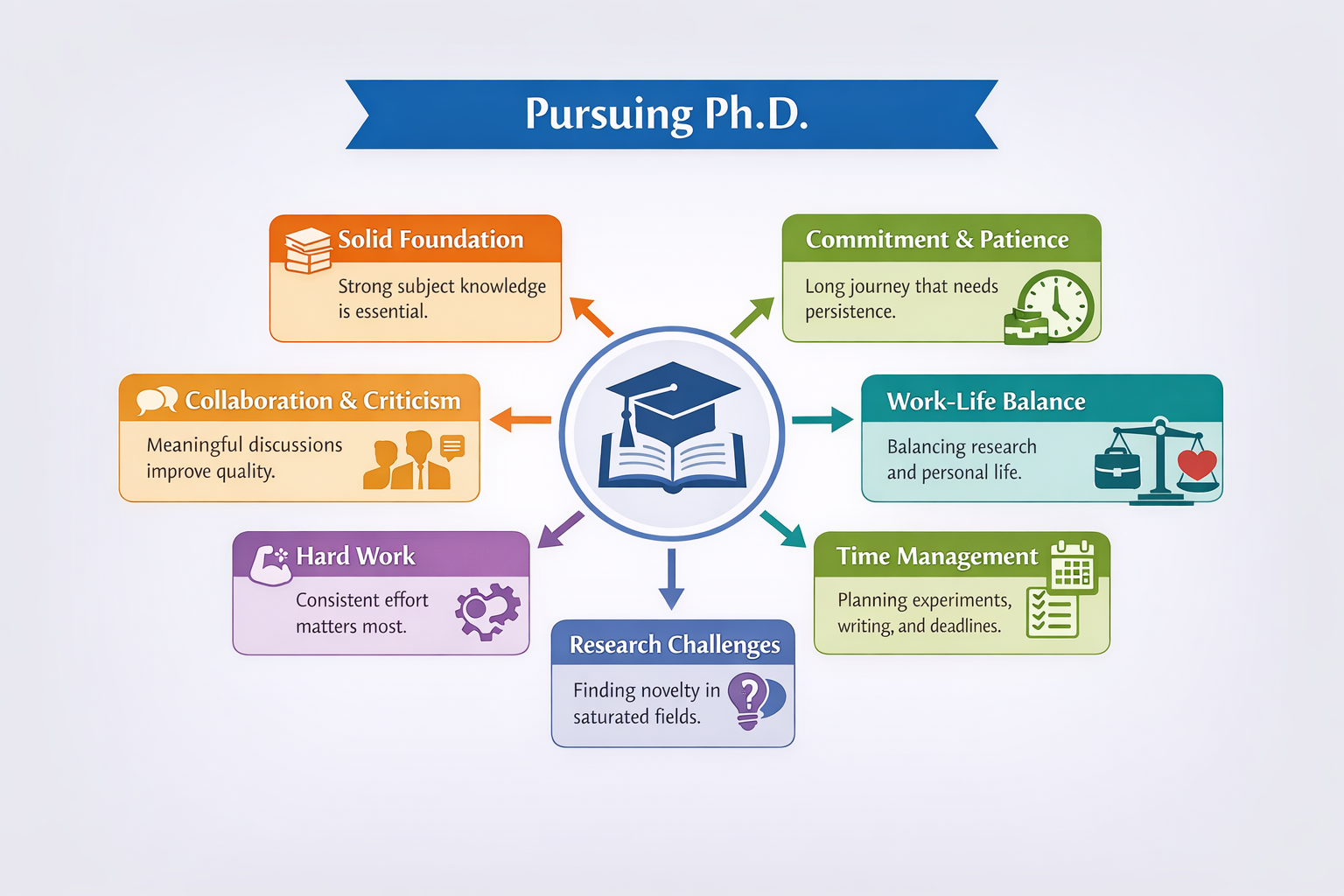
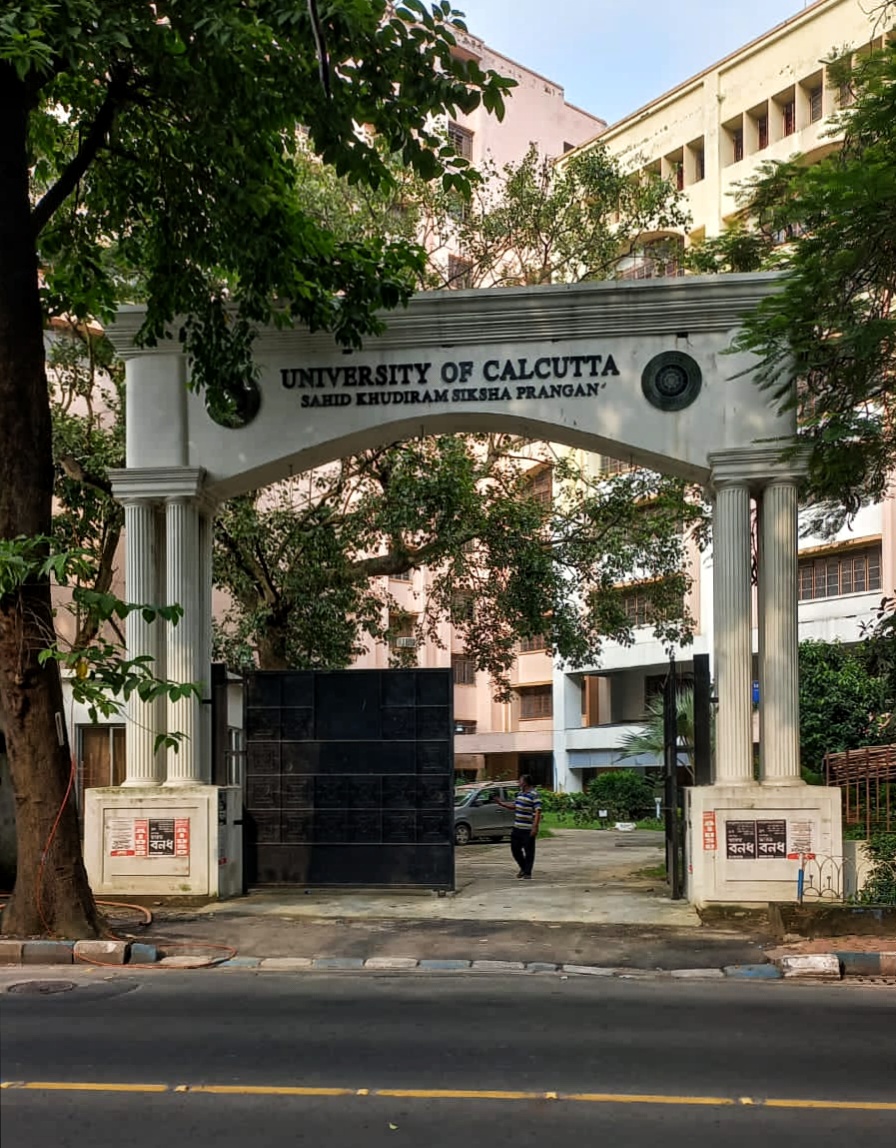
Mr. Nayan Bhunia and Mr. Dibyendu Biswas, research scholars from University of Calcutta, India, in an interview on June 20, 2025, discussed the importance of research and the key considerations students should keep in mind before entering this field. Their expertise revolves around photophysical characterization of lanthanide-doped inorganic nanoparticles and the exploration of their applications in various fields. They, along with their principal investigator, Dr. Prasun Mukherjee, have published several research articles communicating their ideas and findings in reputed international journals. They spoke about the things young students should keep in mind before embarking on the long-term commitment of a Ph.D. programme. They candidly discussed the importance of academic knowledge, collaboration, meaningful discussions, proper training, constructive criticism, multidisciplinary applied research, hard work, work–life balance, and time management. They also highlighted that many research themes are becoming saturated and the scope for novelty is narrowing. They emphasized the importance of patience and financial independence during the research journey. Overall, their interview provides a comprehensive insight into Ph.D. life in India.
Nayan Bhunia on Educating for the Future of Research
In an insightful interview, Mr. Nayan Bhunia, Senior Research Fellow at the Centre for Research in Nanoscience and Nanotechnology, University of Calcutta, shared his profound perspectives on nurturing a strong scientific ecosystem. Bhunia emphasized the critical shift towards applied and translational research, highlighting its importance in bridging the gap between scientific discovery and real-world solutions. This means moving beyond theoretical exploration to actively developing practical applications and translating laboratory findings into tangible benefits for society, such as new medicines, technologies, or environmental solutions. His message resonated with optimism, offering a clear roadmap for aspiring scientists and the broader research community. Bhunia stressed the fundamental need for researchers to develop the ability to imagine and correlate ideas. This capacity, he explained, isn’t just about creativity; it is about making intellectual leaps, connecting seemingly disparate pieces of information, and envisioning novel approaches to problems. This ability to see patterns and relationships where others don’t is crucial for fostering innovative thinking and leading to groundbreaking discoveries. He further elaborated on the significance of well-designed projects that deepen understanding and advance knowledge, underscoring that well-designed research initiatives with clear objectives and robust methodologies are the bedrock of meaningful scientific progress. These aren’t just experiments; they’re thoughtfully constructed investigations that expand our knowledge base.
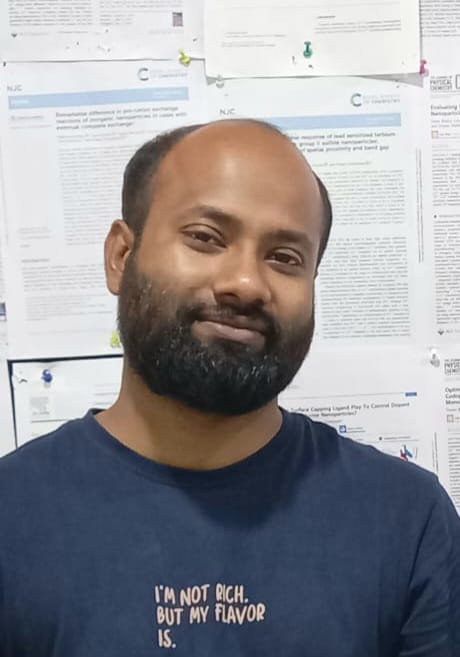
A key theme in Bhunia’s discussion was the undeniable power of collaboration. He advocated for the importance of collaboration with leading labs, communication with experts, and networking. This isn’t just about being friendly; it’s about actively seeking out partnerships with leading research groups, engaging in regular dialogues with established experts in one’s field, and building a wide network of contacts. These interactions, he believes, are vital for knowledge exchange, accessing diverse perspectives, sharing resources, and significantly accelerating scientific advancements. Complementing this, he highlighted the importance of training and internships, providing invaluable practical experience and exposure to real-world research environments. These hands-on opportunities are crucial for developing essential lab skills and understanding the day-to-day realities of scientific work. Bhunia also underscored the non-negotiable habit of reading quality scientific literature, asserting that a strong, up-to-date foundation in existing scientific knowledge, gleaned from reputable journals and publications, is paramount for any researcher to build upon. A poignant observation from Bhunia was the perceived scarcity of genuinely passionate and knowledgeable people within the research and scientific community. He lamented this deficit, emphasizing that true passion, a deep intrinsic drive to understand and discover, and combined with a profound understanding of one’s subject matter, is indispensable for driving innovation and maintaining the integrity and quality of scientific inquiry. Without this core enthusiasm and expertise, research can become stagnant or lack true impact.
For students embarking on their scientific journey, Bhunia offered practical and profound advice. He urged them to prioritize academic merit, meaning striving for excellence in their studies and developing a strong theoretical foundation. Equally important, he stressed the need to exchange knowledge with their peers and mentors, fostering an environment of mutual learning and intellectual growth. Crucially, he advised aspiring scientists to stay away from negative and discouraging people, recognizing the detrimental impact of negativity, skepticism, or a lack of understanding on intellectual curiosity, perseverance, and overall well-being. Surrounding oneself with supportive and intellectually stimulating individuals is key. In a forward-looking statement, Bhunia asserted that modern chemical research should not proceed alone, instead should combine with biological, mathematical, and physical understanding. This interdisciplinary approach, he believes, is essential for tackling complex scientific challenges that often transcend traditional disciplinary boundaries. For example, understanding a new drug’s effect requires not only chemistry but also biological insights into its interaction with living systems, mathematical modelling of its kinetics, and physical principles governing its structure. This holistic perspective leads to more comprehensive and effective solutions. Prospective Ph.D. candidates, according to Bhunia, must ensure their basic knowledge is clear and rationalize their thinking. This means having a firm grasp of fundamental scientific principles and being able to apply logical reasoning to complex problems, rather than relying on guesswork or intuition. He passionately advocated for the importance of critical investigation, good observation skills, and professional and polite conversation to communicate ideas and results, instead of a confrontational attitude. This emphasizes the need for researchers to meticulously analyze data, notice subtle details, and present their findings in a respectful, clear, and constructive manner. The goal is to collaborate and build upon ideas, not to confront or undermine.
Finally, Bhunia touched upon the practical realities of research funding. He stated that research funding agencies want productive outcomes, and impressing them is an important responsibility. This highlights the need for researchers to not only conduct excellent science but also effectively articulate its potential impact, demonstrate its feasibility, and clearly communicate its value to secure the necessary financial support. It’s about demonstrating both scientific rigor and strategic vision. Beyond the technicalities of research, Bhunia provided invaluable insights into the less discussed but equally crucial aspects of the scientific profession: lab culture and workplace culture. He strongly suggested that individuals aspiring to join a lab should do a thorough background check – talking to current and former lab members, observing the lab environment, and assessing the principal investigator’s mentorship style – to ensure the environment aligns with their values and professional goals. This foresight can significantly impact a researcher’s productivity, mental wellbeing, and overall career trajectory.
Bhunia said, “As a researcher, I prefer the students who are willing to pursue a Ph.D., they should be extremely passionate, have a good academic record, and most importantly, should be hardworking, focused and collaborative.” “You should never forget your roots and reading is absolutely necessary,” he added. Mr. Bhunia’s comprehensive and optimistic message serves as a beacon for the scientific community, urging a collective effort towards fostering a culture of excellence, collaboration, and genuine passion. His insights are invaluable for shaping the next generation of scientists and driving impactful research that benefits society.
Dibyendu Biswas on Navigating Research Life in India
In an era defined by rapid scientific advancement, the allure of a career in research beckons to many, yet the pathway remains a mystery to most. To demystify this intricate world, an exclusive and in-depth interview was conducted with Mr. Dibyendu Biswas, a distinguished Senior Research Fellow at the Centre for Research in Nanoscience and Nanotechnology, University of Calcutta. Mr. Biswas, a researcher in the realm of groundbreaking scientific inquiry, offered an insightful discussion on various facets of research, providing valuable guidance for those contemplating a journey into the uncharted territories of discovery.
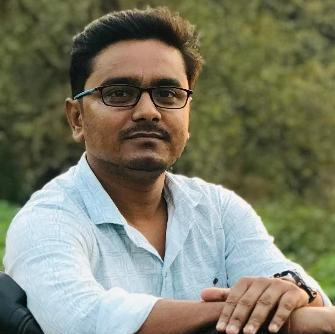
The interview, held amidst the stimulating environment of the Centre, began with a thorough exploration of the research environment itself. Mr. Biswas described it not merely as a physical space, but as a dynamic ecosystem demanding intellectual curiosity, collaboration, and an inherent drive to solve complex problems. “A vibrant research environment is one where ideas are challenged, hypotheses are rigorously tested, and failures are seen not as setbacks, but as crucial learning opportunities,” he explained, emphasizing the importance of a supportive and intellectually stimulating atmosphere for fostering innovation. He highlighted that a truly productive research setting encourages open discussion, peer review, and a constant thirst for new knowledge, transforming it into a fertile environment for breakthroughs.
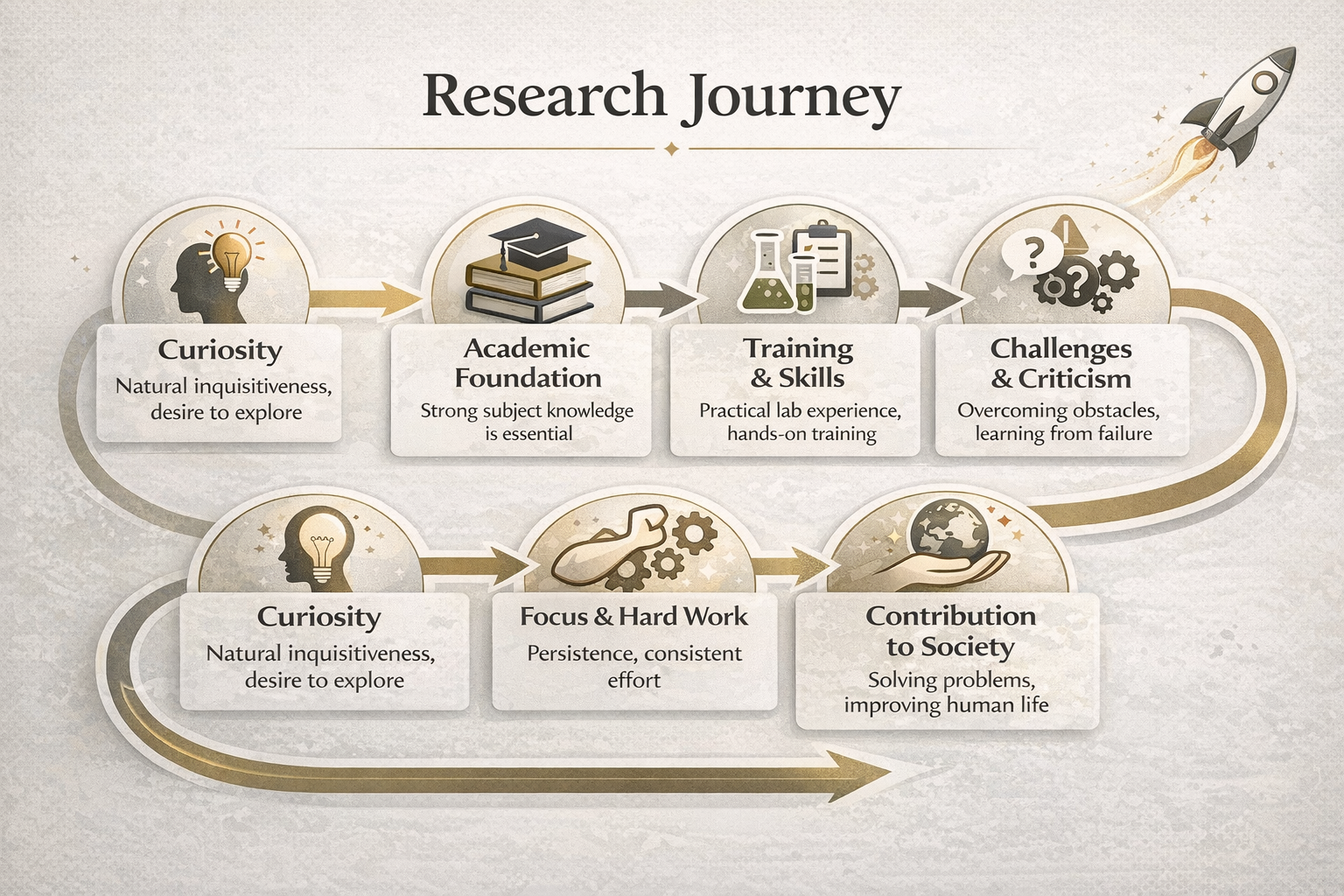
Moving on to the essential qualities of budding scientists, Mr. Biswas meticulously outlined the prerequisites of research students. Beyond strong academic foundations, he stressed the paramount importance of an inquisitive mind, an innate sense of curiosity, and an insatiable desire to understand “why” and “how.” “A good researcher,” he asserted, “is not just someone who knows facts, but someone who relentlessly questions them.” He elaborated on the need for critical thinking, problem-solving skills, and a high degree of perseverance. “The path of research is often fraught with dead ends and unexpected challenges. It’s the ability to pick yourself up, learn from the experience, and try again, that truly defines a successful research student.” This resilience, he noted, is often coupled with meticulous attention to detail and an ethical compass to guide their investigations.
The conversation then navigated the vast scope of research, with Mr. Biswas emphasizing its profound impact across every sector of modern life. From healthcare and energy to environmental sustainability and advanced materials, research serves as the engine of progress. He passionately conveyed that research isn’t just an academic pursuit but a powerful tool for societal transformation. To succeed in this expansive field, he underscored the critical significance of focus, hard work, and the determination required of aspirants. “Talent is certainly a gift,” he acknowledged, “but it’s the relentless grind, the countless hours spent in the lab, and the unwavering dedication to a problem that ultimately yields results.” He encouraged aspiring researchers to cultivate a deep sense of purpose, to be disciplined in their approach, and to embrace the often-long and arduous journey towards scientific discovery.
A core theme woven throughout the discussion was the profound gratification derived from being a part of the scientific community and contributing through meaningful and impactful research. Mr. Biswas spoke with palpable passion about the shared mission of researchers to advance human knowledge and address pressing global challenges. He emphasized the ethical responsibility that comes with scientific inquiry – the duty to ensure that research serves the greater good and contributes to a more sustainable and equitable world. “Our work should not exist in an ivory tower,” he declared. “It should be a bridge between fundamental understanding and tangible solutions that improve lives.” This sense of collective endeavor and the potential for real-world impact, he believes, is one of the most rewarding aspects of a research career.
Mr. Biswas offered a perspective on scientific inquiry. While echoing the sentiment for an interdisciplinary approach in research, a crucial theme also highlighted by his colleague Mr. Nayan Bhunia, Biswas delved deeper into the personal journey of a researcher, emphasizing strategic choices and individual development. Biswas began by reinforcing the vital role of interdisciplinarity, explaining that the most impactful research today seldom confines itself to a single field. He stressed that properly defining the scope and research question for such cross-cutting projects is paramount. This initial clarity helps in effectively integrating diverse knowledge sets, whether combining chemistry with biology, or physics with materials science, to address complex, real-world problems. He then shifted focus to the crucial personal choices that shape a scientific career. Biswas underscored the choice of the right guide as a foundational decision, recognizing that a good mentor is instrumental in shaping a researcher’s intellectual journey and practical skills. He also urged aspiring scientists to prioritize the identification of unexplored areas rather than simply chasing saturated fields. This advice encourages originality and the pursuit of truly novel contributions, moving beyond incremental advancements in crowded research landscapes
For success in these often-uncharted territories, Biswas highlighted the importance of learning and optimizing. This isn’t just about acquiring new knowledge, but about refining experimental techniques, computational skills, and analytical methods to achieve the best possible results. He stressed that hard work remains an indispensable ingredient for scientific progress, coupled with astute time management to navigate the demanding nature of research. Beyond the technical skills, Biswas emphasized understanding one’s own scope and capabilities as an individual. This self-awareness helps researchers align their aspirations with their strengths, leading to greater efficiency and, ultimately, more profound research satisfaction. The joy of discovery, he implied, is deeply tied to working within one’s capabilities.
To students embarking on their research careers, Biswas offered a trove of practical wisdom. He suggested they be flexible in terms of research aspirations, understanding that initial interests might evolve as they gain more experience and encounter new opportunities. He strongly advised reducing distractions and working wholeheartedly to achieve their aims, recognizing that focus and dedication are key to overcoming challenges inherent in scientific exploration. Perhaps most importantly, Biswas encouraged students to take criticisms as a means to improve oneself and become successful. He framed critique not as an attack, but as invaluable feedback essential for growth and refinement, turning potential setbacks into stepping stones toward achievement.
The practical aspects of scientific training were then brought to the fore, with Mr. Biswas ardently championing the importance of practical knowledge and training. He argued that theoretical understanding, while foundational, must be complemented by extensive hands-on experience. “Science is not just about equations and theories; it’s about experimentation, observation, and the meticulous execution of protocols,” he explained. He stressed the value of internships, laboratory work, and collaborative projects in developing the essential skills needed for real-world research. This practical grounding, he added, is intimately linked to the crucial decision of the wise selection of a specialization. He urged aspiring researchers to engage in self-reflection and thoroughly explore various sub-disciplines before committing to a specific area. “Don’t just follow the crowd or the perceived ‘hot’ topic,” he advised. “Choose a field that genuinely excites you, one where your curiosity is boundless, as that passion will sustain you through the inevitable challenges.”
While the demands of research are undeniably high, Mr. Biswas provided a refreshing and pragmatic perspective on the necessity of maintaining work-life balance. He acknowledged the long hours and intense focus often required but cautioned against the dangers of burnout. “A sustainable research career is one that allows for personal well-being, hobbies, and time with loved ones,” he asserted. He highlighted that stepping away from the lab periodically can often lead to new perspectives and a renewed vigor for research. This emphasis on balance flowed seamlessly into his counsel to wholeheartedly embrace one’s passion. He firmly believes that genuine enthusiasm for a subject is the most potent fuel for innovation and resilience. “If you are truly passionate about what you do, the challenges become less daunting, and the pursuit of knowledge becomes an exhilarating adventure,” he opined.
Mr. Biswas then offered a candid and balanced assessment of the pros and cons of being a research fellow. On the positive side, he reiterated the intellectual stimulation, the thrill of discovery, the opportunity to contribute to human knowledge, and the potential for significant personal and professional growth. The intellectual freedom to explore intriguing questions and the satisfaction of uncovering new insights were among the key benefits he listed. However, he was equally forthright about the drawbacks. These can include demanding work schedules, the pressure to publish frequently, the competitive nature of funding, and the often-protracted timelines required to achieve significant breakthroughs. “It’s not always attractive,” he conceded, “there are long hours, failed experiments, and moments of frustration. But the highs, when they come, are rewarding”.
Concluding the insightful discussion, Mr. Biswas provided a captivating glimpse into the future prospects of nanotechnology research, with a particular emphasis on inorganic nanoparticles and photoluminescence. He articulated the immense potential of these areas to revolutionize various sectors. From developing highly efficient solar cells and advanced biomedical imaging techniques to creating novel drug delivery systems and environmental sensors, the applications are seemingly endless. He spoke enthusiastically about the capacity of inorganic nanoparticles to exhibit unique optical properties through photoluminescence, paving the way for innovations in quantum dots, biosensing, and next-generation display technologies. He stressed the global impact of such advancements, predicting that breakthroughs in nanotechnology will undoubtedly lead to transformative solutions for some of humanity’s most pressing challenges, from sustainable energy to disease eradication, fostering a healthier and more technologically advanced future worldwide. // #colbreak()
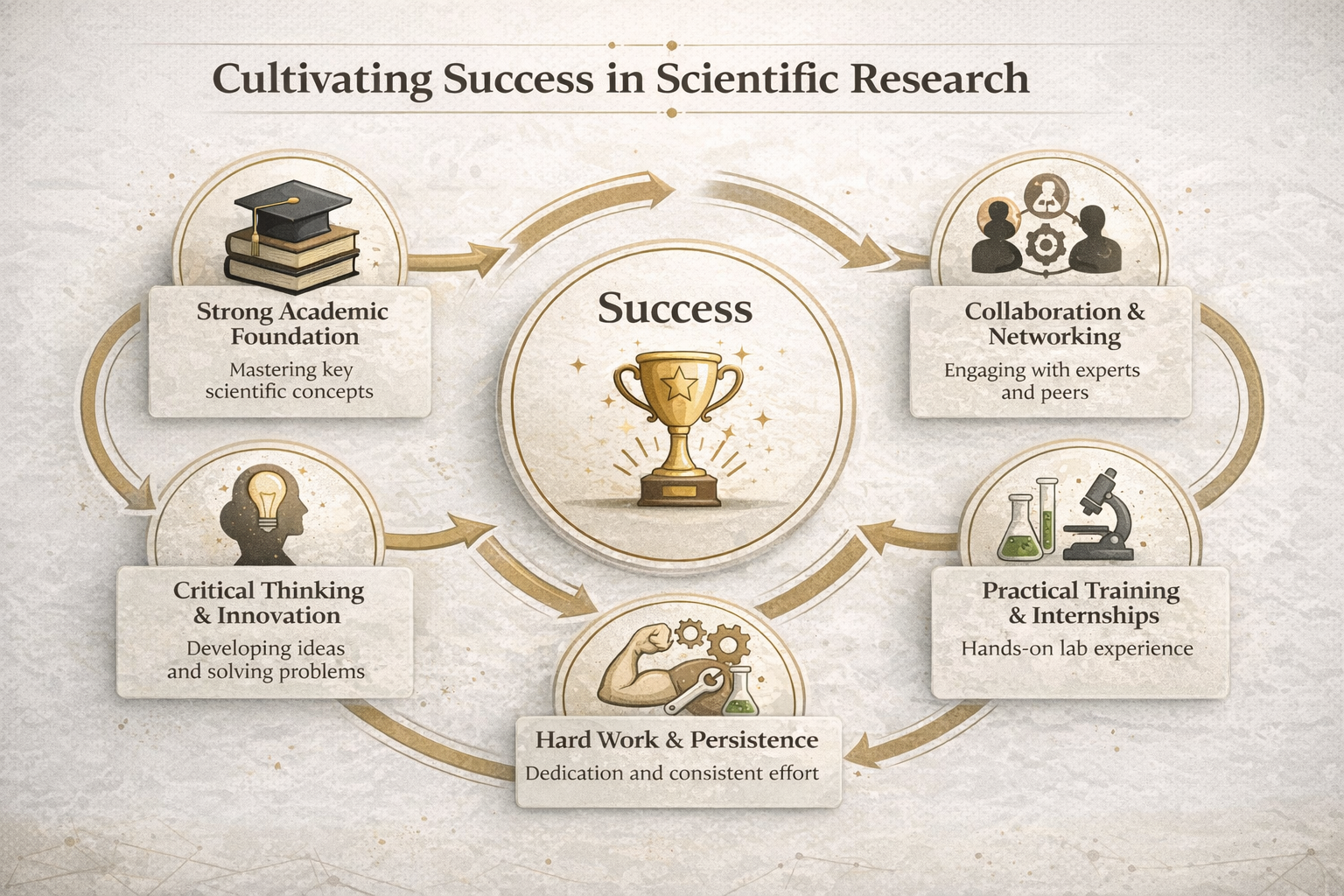
Academic knowledge, collaboration, training, and perseverance work together. Research progress comes from their combined effort, not from a single factor.”, position: bottom, width: 50%, portrait: false)
Overall, Mr. Dibyendu Biswas’s interview was far more than a mere report on scientific advancements; it was a profound invitation to introspection. His words served as an invaluable guide for anyone contemplating a research career, prompting readers to deeply identify and reflect on their research interests. More fundamentally, he challenged them to honestly assess whether they possess the innate drive, the relentless curiosity, and the enduring dedication required to truly be a part of the research community. His comprehensive insights underscored that while the path of research is demanding, for those who embrace its challenges with passion, determination, and perseverance, it offers an unparalleled journey of discovery, contribution, and ultimately, a chance to leave a lasting mark on the tapestry of human knowledge.
Acknowledgement
I acknowledge that Mr. Nayan Bhunia and Mr. Dibyendu Biswas have graciously consented to be interviewed by me, and I appreciate the valuable insights they have shared.
Furthermore, I confirm that both Mr. Bhunia and Mr. Biswas have reviewed the draft of the publication and have granted their permission for me to submit it for publication.
Contact Information Of The Interviewees
-
Mr. Nayan Bhunia,
Senior Research Fellow (DST - INSPIRE),
Centre for Research in Nanoscience and Nanotechnology (CRNN), University of Calcutta.
Email Address - nayanbhunia8836@gmail.com -
Mr. Dibyendu Biswas,
Senior Research Fellow (UGC NFOBC),
Centre for Research in Nanoscience and Nanotechnology (CRNN), University of Calcutta.
Email Address - dibyendubiswas1996@gmail.com
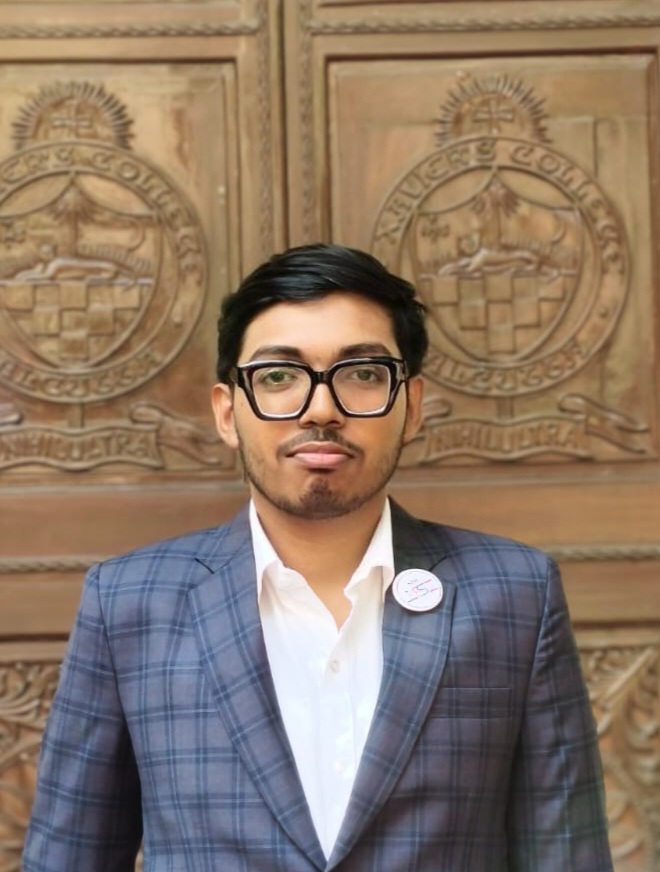
Subham Sarkar is a final year Masters student at St. Xavier’s College (Kolkata). His research interests converge at the intersection of biomaterials, nanotechnology, and molecular mycology. He is interested in exploring the design and engineering of nanomaterials towards creating innovative platforms to mitigate spread or aggravation of infectious diseases, among other things.